
By The Rugby Fan Central Team
What Makes a Great Women’s Rugby Captain? What a New Study Reveals About Modern Leadership
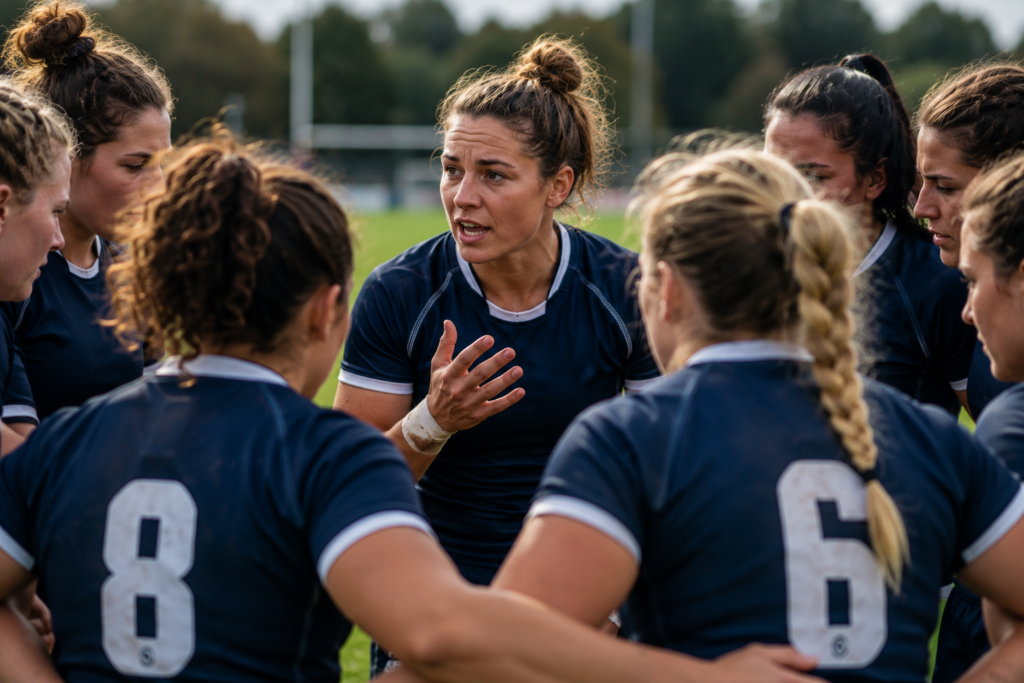
When rugby fans think of great captains, they often picture decisive leaders making big calls under pressure, delivering passionate team talks or inspiring teammates through their performances on the pitch.
But new research into elite women’s rugby suggests the reality of modern leadership is far more nuanced.
A recent study conducted by researchers at the University of Winchester explored the experiences of elite women’s rugby captains and how they view leadership within the game. Through in-depth interviews, the researchers examined the responsibilities, challenges and expectations that come with leading at the highest level.
The findings revealed that successful captaincy extends far beyond tactics and match-day decision-making. Communication, empathy, relationship-building and adaptability emerged as recurring themes, offering valuable insight into how leadership is evolving within women’s rugby.
Before diving deeper into the findings, here’s a quick overview of the key leadership pillars identified by the research.
| Leadership Pillar | What It Looks Like in Rugby |
|---|---|
| Communication | Connecting players and coaches while maintaining clarity and trust |
| Empathy | Understanding individual teammates and supporting different personalities |
| Leading by Example | Setting standards through actions on and off the pitch |
| Culture Building | Creating accountability, trust and a shared purpose |
| Adaptability | Adjusting leadership styles based on challenges and team needs |
Leadership Beyond the Armband
One of the most interesting findings from the study was that many captains viewed leadership as a collaborative process rather than a position of authority.
For decades, rugby has often celebrated the image of the captain as the dominant voice within a team. While strong leadership remains essential, many of the captains interviewed described their role differently. Rather than simply directing teammates, they saw themselves as helping individuals and groups perform at their best.
That shift reflects the growing professionalism of women’s rugby.
Modern squads are made up of players with different personalities, experiences and motivations. Managing those dynamics requires more than tactical knowledge. It demands trust, understanding and the ability to bring people together around a common goal.
“In many ways, leadership today is as much about listening as it is about speaking.”
As women’s rugby continues to expand through international competitions and professional domestic leagues, these demands are only becoming more complex.
Communication Remains the Foundation
Among all the themes identified in the research, communication stood out as one of the most significant.
Captains often act as the bridge between players and coaches. They help relay tactical messages, represent player concerns and ensure that standards remain consistent throughout a season.

Much of that work happens away from match day.
While supporters naturally focus on performances during games, effective communication behind the scenes can have a major influence on results. It helps prevent misunderstandings, reinforces expectations and keeps teams united during difficult periods.
At the elite level, where margins are often incredibly small, strong communication can be the difference between a squad pulling together or drifting apart under pressure.
It is one of the least visible parts of leadership, but arguably one of the most important.
Why Empathy Has Become a Valuable Leadership Tool
Another key theme highlighted by the study was empathy.
Traditionally, sporting leadership has often been associated with authority, resilience and demanding standards. Those qualities remain important, but many of the captains interviewed emphasised the importance of understanding teammates as individuals.
Elite rugby players face significant physical and mental demands throughout a season. Training loads, travel schedules, injuries and personal commitments can all affect performance and wellbeing.
Captains who understand those pressures are often better equipped to help teammates navigate challenges when they arise.
That does not mean lowering expectations.
Instead, it means recognising that different players respond to different approaches. Some thrive on direct feedback, while others perform best when given encouragement and reassurance.
The most effective leaders understand when to challenge, when to support and when to simply listen.
A Modern Example of Leadership
The study’s findings are reflected in many of today’s leading international captains.
England captain Zoe Aldcroft has frequently spoken about maintaining standards while fostering strong relationships within the Red Roses squad. Her leadership style highlights several themes identified by the research, particularly the balance between accountability, communication and trust.
In the modern game, captains are often expected to influence far more than match-day tactics. They help shape team culture, support player development and act as a key link between coaches and players.
As women’s rugby becomes increasingly professional, those responsibilities continue to grow.
Leading by Example Still Matters
While leadership continues to evolve, some principles remain timeless.
The study found that leading by example remains one of the most respected aspects of captaincy.
Regardless of the sport or era, players naturally look to their leaders during crucial moments. Whether it is making a key tackle, maintaining composure under pressure or setting standards in training, captains influence those around them through their actions.
This is one reason why the world’s most respected captains consistently earn the trust of teammates.
Their behaviour matches the standards they expect from others.
Leadership is not simply about demanding excellence from a squad.
It is about demonstrating those standards every day, both on and off the pitch.
Building a Culture That Drives Success
The research also highlighted the importance of culture-building within successful teams.
Talent alone rarely guarantees success in rugby. Strong cultures create environments where players trust one another, hold each other accountable and remain committed to collective goals.
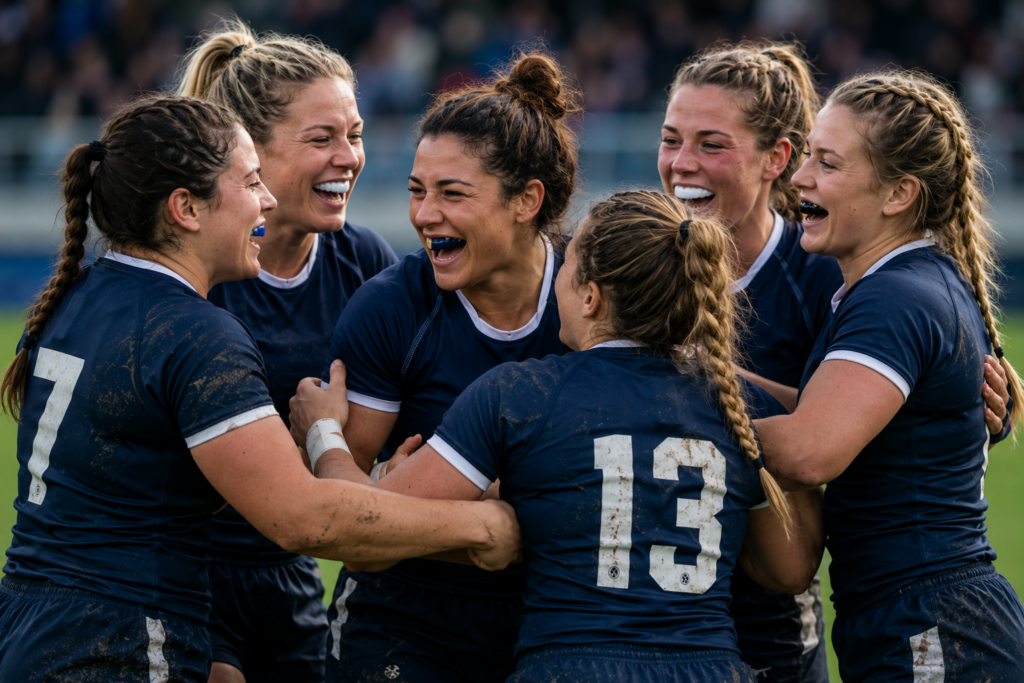
Captains play a central role in shaping that environment.
From welcoming new players into a squad to maintaining standards during difficult periods, leaders often have a significant influence on the day-to-day culture of a team.
Many of the sport’s most successful teams regularly point to connection, trust and shared purpose as key ingredients behind their achievements.
Those qualities do not emerge by accident.
They are built over time through consistent leadership and collective commitment.
Adaptability Under Pressure
Perhaps the most underrated quality identified by the study was adaptability.
No two rugby matches are the same. Likewise, no two squads require exactly the same style of leadership.
Successful captains understand that different situations demand different responses.

There are moments when a team needs energy and confidence. There are moments when calm decision-making is more valuable. There are times when honesty is required and others when encouragement is the better option.
The ability to adjust to changing circumstances allows captains to respond more effectively as challenges emerge.
In a rapidly evolving women’s game, adaptability may be one of the qualities that separates good leaders from exceptional ones.
What This Means for the Future of Women’s Rugby

The study provides a useful snapshot of how leadership is changing within elite women’s rugby.
Traditional qualities such as resilience, accountability and determination remain central to captaincy. However, modern leadership increasingly relies on communication, emotional intelligence and the ability to build strong relationships.
That evolution mirrors the broader growth of the women’s game.
As professional standards continue to rise, captains are no longer judged solely by their own performances. They are increasingly measured by their ability to influence standards, strengthen team culture and bring the best out of those around them.
The best captains still make crucial decisions when the pressure is highest.
Yet the research suggests their greatest impact often comes long before kickoff—in training sessions, team meetings and everyday interactions that shape the identity of a squad.
Those moments rarely make the highlight reel.
But they may be one of the biggest reasons successful teams remain successful.
Further Reading
Original Research Study:
Humble, K., Arnold, R., Fletcher, D., et al.
Women’s Rugby Union Captains’ Perceptions and Experiences of Leadership